No products in the cart.
Overview
Curriculum
FAQs
Instructor
Reviews
- 1 Section
- 0 Lessons
- 40 Hours
Expand all sectionsCollapse all sections
- Control Panel Design
Introduction to Control Panel Engineering
Types of control panels (MCC, PCC, PLC, VFD, Relay panels, Marshalling cabinets)
Role of control panels in industrial automation
Basic electrical concepts used in panel design
Electrical Standards & Codes
IEC, IS, NEC standards for panel design
Protection classes, IP ratings, short circuit ratings
Safety requirements and compliance
Panel Components & Selection
MCB, MCCB, ACB, contactors, relays, timers
Power supplies, terminal blocks, fuses, indicators
PLC modules, I/O cards, VFDs, soft starters
Component sizing and selection criteria
Panel Layout & Arrangement
Internal layout planning
Component spacing, heat dissipation, and ventilation
Front view, side view, and mounting plate layout
Door layout and labeling
Wiring & Termination
Power wiring vs. control wiring
Cable sizing basics
Terminal plan preparation
Ferruling, numbering, and wire routing practices
Schematic & Wiring Diagrams
Control circuit diagrams
Power circuit diagrams
Interlocking diagrams
PLC wiring diagrams
Marshalling cabinet wiring
PLC / DCS Panel Design Basics
Understanding I/O list
Mapping field instruments to PLC
Panel to field wiring
Communication modules and networking basics
Protection & Safety Concepts
Overload, short circuit, earth fault protection
Earthing and grounding requirements
Interlocks and safety circuits
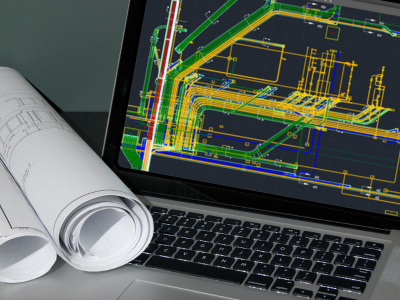
AutoCAD for Panel Design
Creating panel layouts
Preparing wiring diagrams
Editing and updating drawings
Layer management and symbols
Documentation & Deliverables
Bill of Materials (BOM)
Cable schedule
Panel GA drawings
Wiring diagrams and terminal plans
Testing & inspection checklists
Practical Case Studies
Real project panel drawings
Common mistakes and troubleshooting
Panel installation and commissioning basics
0
This course covers essential topics such as engineering fundamentals, construction materials, surveying, structural analysis, building design, and project management. You will also learn practical skills used in real construction and infrastructure projects.
No, the course starts from basic civil engineering concepts, making it suitable for beginners. As you progress, you will be introduced to advanced topics and practical applications commonly used in the industry.
The course is designed to build practical, job-ready skills. It includes hands-on modules, real-world examples, and industry-relevant topics that help students prepare for roles in construction, site supervision, design, and infrastructure development.
Depending on the module, you may learn industry-standard tools such as AutoCAD, STAAD Pro, Revit, MS Project, and other construction management or design applications used by engineers in real projects.
Yes. The course includes practical exercises, case studies, and real-site examples to help learners understand how civil engineering concepts are applied in actual construction and infrastructure projects.

Curriculum
- 1 Section
- 0 Lessons
- 40 Hours
Expand all sectionsCollapse all sections
- Control Panel Design
Introduction to Control Panel Engineering
Types of control panels (MCC, PCC, PLC, VFD, Relay panels, Marshalling cabinets)
Role of control panels in industrial automation
Basic electrical concepts used in panel design
Electrical Standards & Codes
IEC, IS, NEC standards for panel design
Protection classes, IP ratings, short circuit ratings
Safety requirements and compliance
Panel Components & Selection
MCB, MCCB, ACB, contactors, relays, timers
Power supplies, terminal blocks, fuses, indicators
PLC modules, I/O cards, VFDs, soft starters
Component sizing and selection criteria
Panel Layout & Arrangement
Internal layout planning
Component spacing, heat dissipation, and ventilation
Front view, side view, and mounting plate layout
Door layout and labeling
Wiring & Termination
Power wiring vs. control wiring
Cable sizing basics
Terminal plan preparation
Ferruling, numbering, and wire routing practices
Schematic & Wiring Diagrams
Control circuit diagrams
Power circuit diagrams
Interlocking diagrams
PLC wiring diagrams
Marshalling cabinet wiring
PLC / DCS Panel Design Basics
Understanding I/O list
Mapping field instruments to PLC
Panel to field wiring
Communication modules and networking basics
Protection & Safety Concepts
Overload, short circuit, earth fault protection
Earthing and grounding requirements
Interlocks and safety circuits
AutoCAD for Panel Design
Creating panel layouts
Preparing wiring diagrams
Editing and updating drawings
Layer management and symbols
Documentation & Deliverables
Bill of Materials (BOM)
Cable schedule
Panel GA drawings
Wiring diagrams and terminal plans
Testing & inspection checklists
Practical Case Studies
Real project panel drawings
Common mistakes and troubleshooting
Panel installation and commissioning basics
0
FAQs
This course covers essential topics such as engineering fundamentals, construction materials, surveying, structural analysis, building design, and project management. You will also learn practical skills used in real construction and infrastructure projects.
No, the course starts from basic civil engineering concepts, making it suitable for beginners. As you progress, you will be introduced to advanced topics and practical applications commonly used in the industry.
The course is designed to build practical, job-ready skills. It includes hands-on modules, real-world examples, and industry-relevant topics that help students prepare for roles in construction, site supervision, design, and infrastructure development.
Depending on the module, you may learn industry-standard tools such as AutoCAD, STAAD Pro, Revit, MS Project, and other construction management or design applications used by engineers in real projects.
Yes. The course includes practical exercises, case studies, and real-site examples to help learners understand how civil engineering concepts are applied in actual construction and infrastructure projects.
Instructor

0 Students26 Courses
Reviews